Keyboards
Sizes & Layouts
Featured
How to Choose a Keyboard
Find the right board for your budget and use case
Switch Types
Comparisons
Complete Switch Guide
Everything about switches in one place
Custom keycap sets can cost $150–$250+. We explain group buys, why they're so expensive, the 12-month production timeline, and whether they're worth it.
Key stopped working on your mechanical keyboard? Follow this 6-step diagnostic guide — software checks, switch cleaning, PCB inspection, and when to replace.
Go from 40 to 80+ WPM with the right posture, touch typing technique, switch selection, and daily practice tools. A practical guide for mechanical keyboard users.
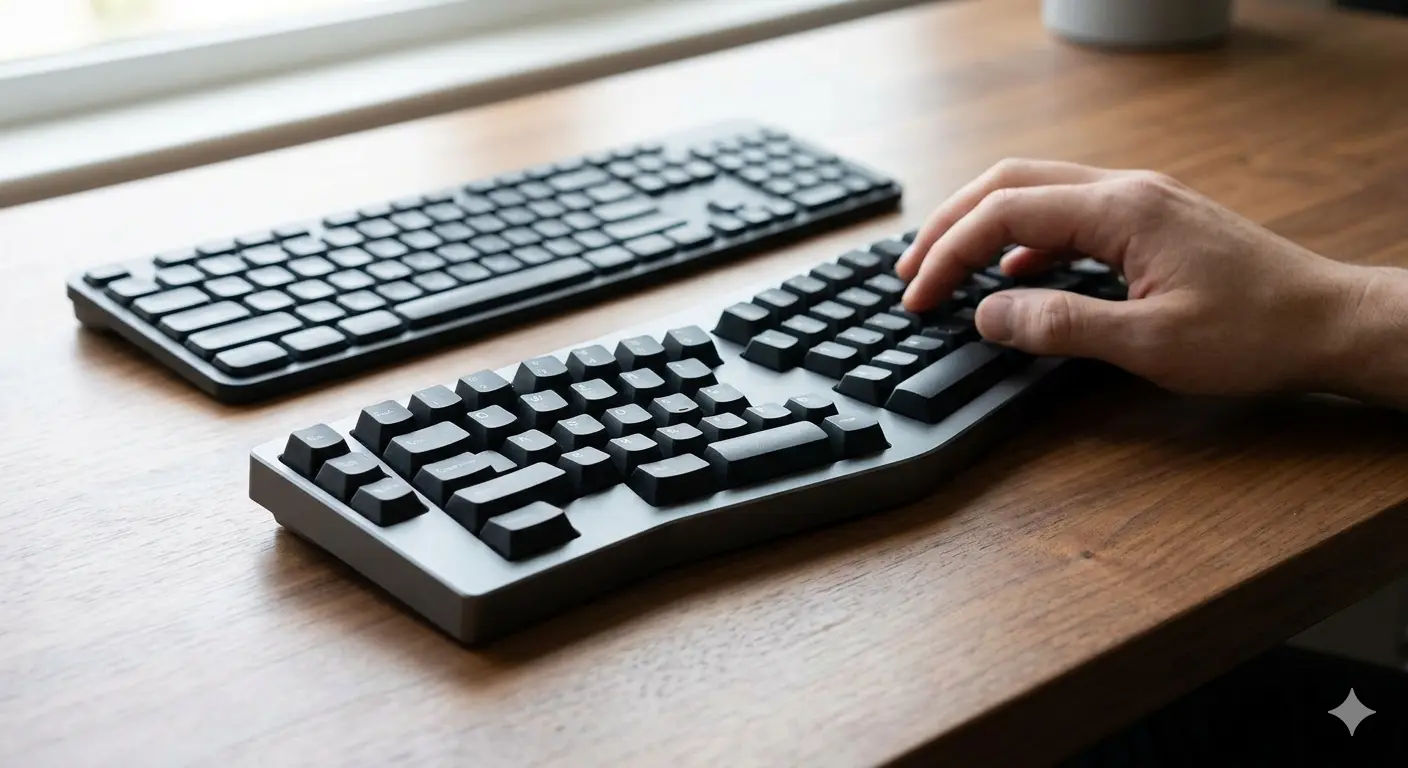
Split keyboards offer real ergonomic benefits — but for whom? We cover the science, the learning curve, and the models worth trying in 2026.
What is a mechanical keyboard? Learn how they work, the anatomy of each part, the three switch types, and how mechanical keyboards differ from membrane.
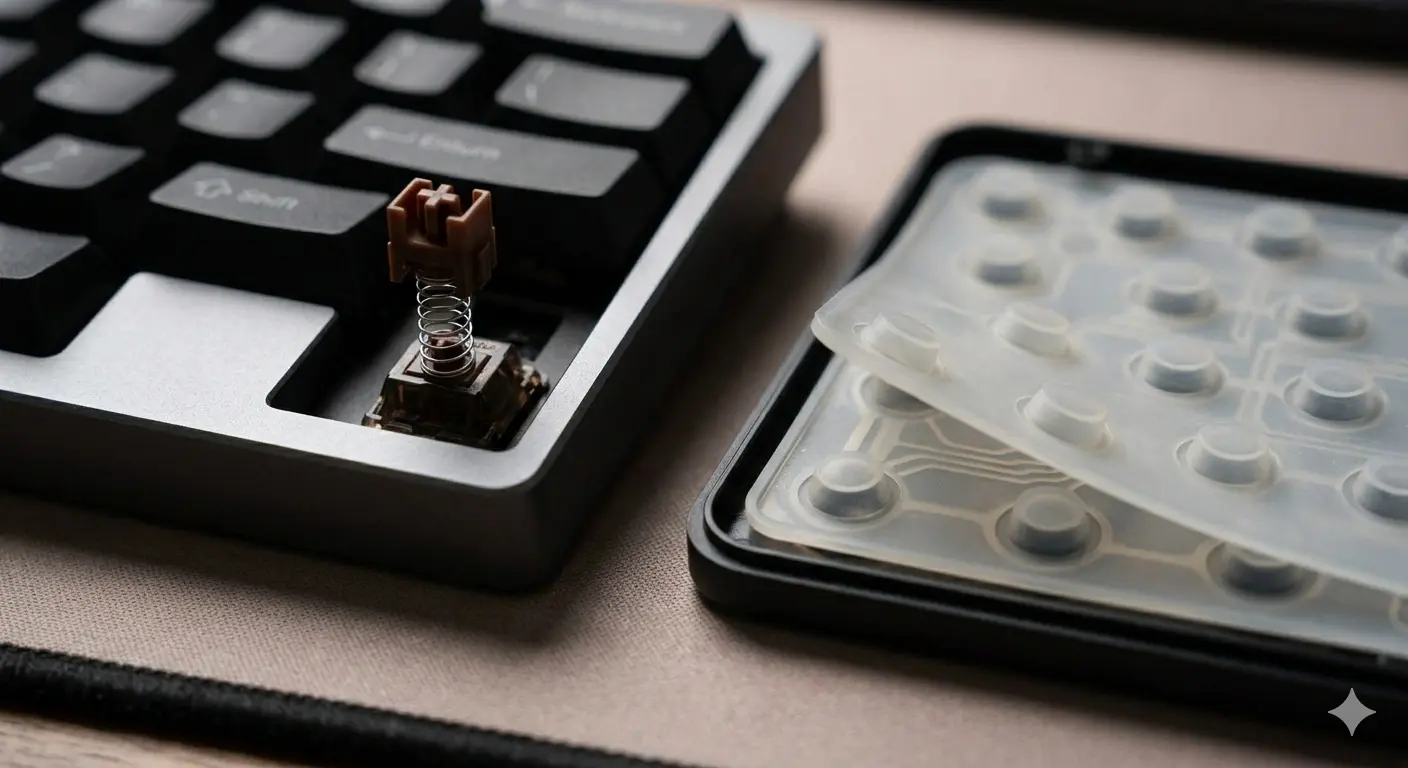
Mechanical vs membrane keyboard: lifespan, typing feel, noise, price and customization compared side by side. Which one is actually right for you?
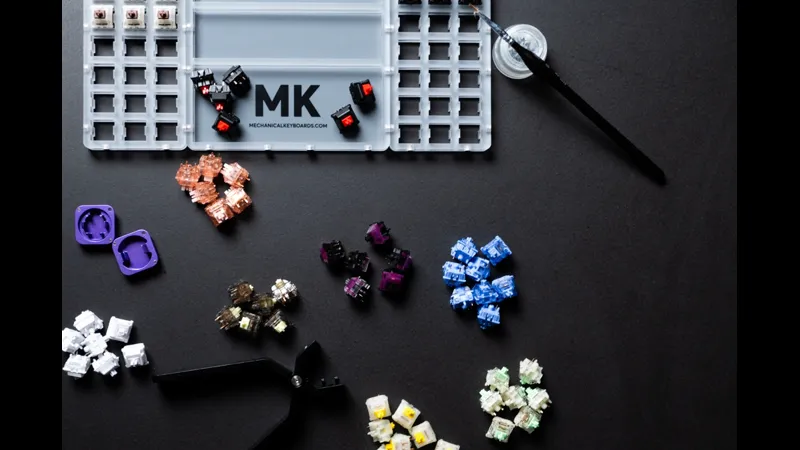
Everything about mechanical keyboard switches: how they work, all switch types, key specs, top brands (Cherry, Gateron, Kailh), and how to choose the right one.
Linear, tactile, or clicky switches — what's the real difference? A practical breakdown of all three switch types with top picks for gaming, typing, and office use.
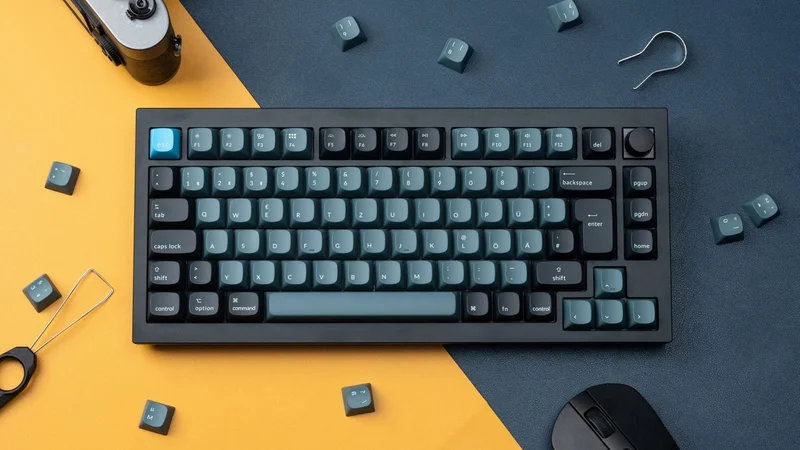
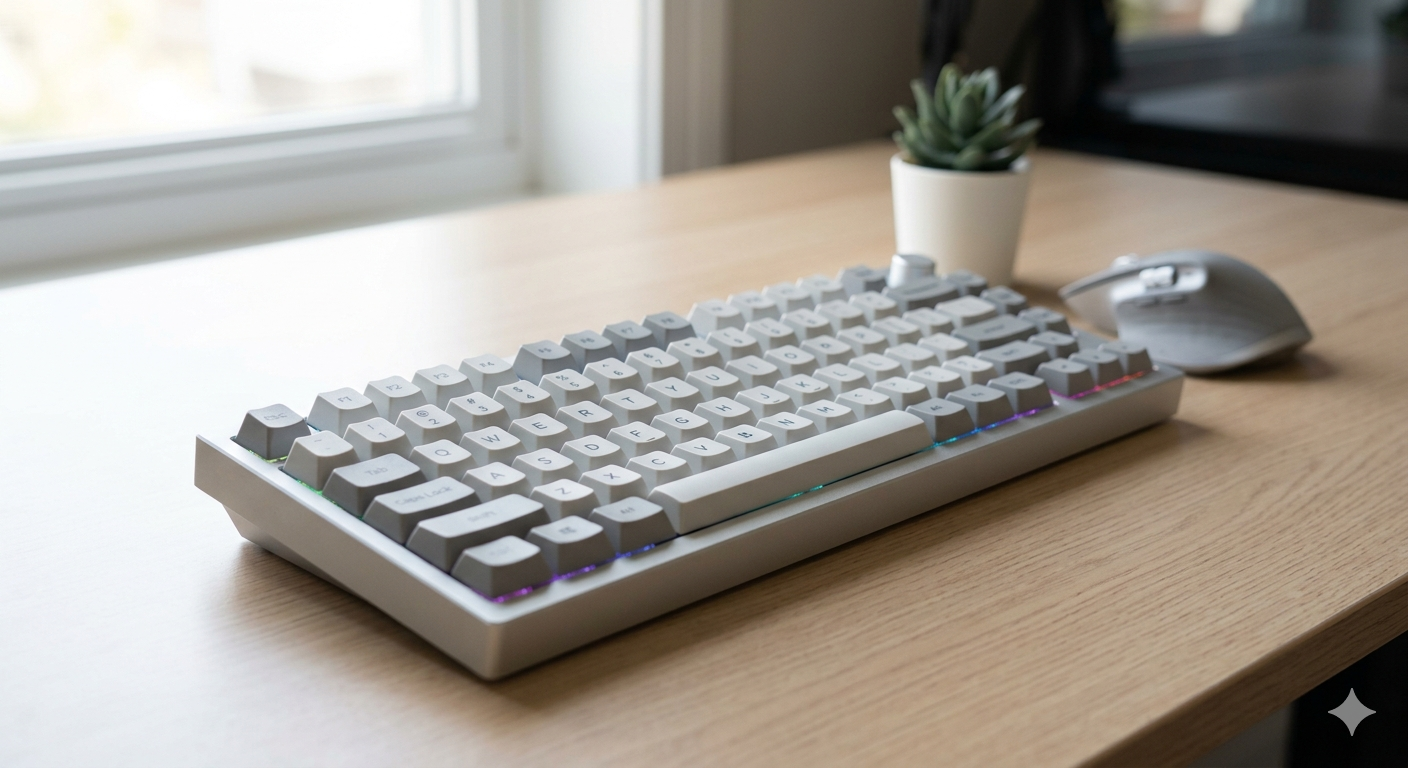
Complete guide to keyboard sizes and layouts: 100%, TKL, 75%, 65%, 60%, 40% — what each size includes, what it drops, and which layout is right for you.
Cherry MX Red vs Blue — the two most popular switches head to head. Specs, sound, gaming performance, typing feel, and which one you should actually get.
Gateron vs Cherry MX — smoothness, sound, price, and longevity compared. The honest answer to whether budget switches from Gateron beat the Cherry MX standard.
Why do mechanical keyboards cost so much? We break down every cost factor — switches, PCBs, cases, keycaps, and why premium keyboards can cost $500+.
60% vs 65% keyboard — a direct layout comparison covering arrow keys, key count, desk space, portability, and which compact layout fits your actual workflow.
65% vs 75% keyboard — a direct comparison covering the function row difference, key count, size, and who should choose each compact layout for work or gaming.
Step-by-step guide to building your first custom mechanical keyboard: parts list, what to buy, stabilizer prep, switch install, and assembly order with budget tiers.
How to lube stabilizers step by step — disassembly, cleaning, lubing housing and wire, band-aid mod, and the exact lubricants that eliminate stabilizer rattle and ping.
Gasket mount vs tray mount keyboards explained — sound, flex, price and repairability differences, plus which mounting system to choose for typing, gaming or budget builds.
The real benefits of mechanical keyboards over membrane: durability, tactile feedback, customization, typing speed, repairability and long-term value explained with no hype.
Hot swappable keyboards let you change switches without soldering. This guide explains how hot-swap PCBs work, 3-pin vs 5-pin sockets, the real benefits, and the best hot-swap boards.
Complete guide to lubing mechanical keyboard switches: best lubes, step-by-step process, tools needed, and tips for linear, tactile and silent switches.
Step-by-step guide to cleaning a mechanical keyboard: quick surface clean, full keycap soak, switch cleaning and what to never do. Takes 30 min to 2 hours.
Learn exactly how mechanical keyboard switches work: the 4 components, what happens inside each keystroke, and how linear, tactile and clicky switches differ.
The complete history of mechanical keyboards: from the 1868 typewriter to Cherry MX switches, the IBM Model M, the membrane dark age, and the modern enthusiast revival.
PBT vs ABS keycaps compared: durability, shine, sound, feel and price. Know exactly which material to buy before you spend money on a new keycap set.
Keyboard ghosting explained: why keys go unregistered when pressed together, what NKRO and 6KRO mean, and how to test your keyboard for ghosting right now.
Every keycap profile explained: OEM, Cherry, SA, DSA, XDA, MT3 — height, shape, typing feel and which profile to choose for your typing style and setup.
Why mechanical keyboards sound so different: switch type, case material, mount style, plate, keycaps and sound mods — every factor explained with practical tips.
The complete story of the IBM Model M: buckling spring switches, 2.2kg steel backplate, 40 years of daily use, and why enthusiasts still pay $200+ to own one.
Not sure how to pick a mechanical keyboard? This 2026 guide walks through use case, budget, layout, switches and connectivity in 6 clear steps.
The myth that QWERTY was designed to slow typists is false. Learn the real history of QWERTY, what Dvorak actually promises, and what modern science says.
In the mechanical keyboard community, "endgame" is the perfect board you'll never need to buy again. The problem: it never actually arrives. Here's why that's fine.
Mechanical switches are rated for 50–100 million keystrokes. What does that mean in real years? And what actually kills a switch before the rating runs out?
Every keypress triggers a chain of events lasting milliseconds. Learn how USB HID works, what polling rate really means, and why wireless keyboards have finally caught up.
Learn how keycap legends are made: double-shot injection, dye-sublimation, laser etching and pad printing. Which lasts longest and which fades fastest?
The tape mod applies masking tape to the back of your keyboard PCB to reduce ping and improve sound. Step-by-step guide, science explained, and honest verdict.
The foam mod is the single most impactful mod for changing your keyboard's sound profile. Learn where to apply foam, which materials to use, and step-by-step instructions.
Do mechanical keyboards help with RSI? We examine the evidence on switch weight, tactile feedback, typing posture, and what ergonomists actually recommend.
The standard keyboard tilt (feet up at the back) promotes wrist extension. Ergonomists consistently recommend flat or negative tilt. Here is the evidence and how to achieve it.
Everything about mechanical keyboards: switches, layouts, brands and buying tips explained. The definitive 2026 guide for beginners and enthusiasts alike.
The 10 best mechanical keyboards of 2026, tested by our team. Budget, wireless, gaming and typing picks ranked by value, build quality and switch feel.
Full Keychron K2 V2 review: typing feel, Gateron switches, wireless range, battery life and value. Is this compact keyboard worth buying in 2026?
No articles found for that search.